Which Drill Bit for Anchor?
Choosing the right drill bit for an anchor is essential for a secure installation. The drill bit must match the anchor type, anchor diameter, base material, hole depth, and manufacturer’s installation requirements. If the hole is too small, the anchor may not fit correctly. If the hole is too large, the anchor may spin, loosen, or fail to achieve the expected holding strength.
In general, the correct drill bit size is usually the same diameter as the anchor body for many wedge anchors, sleeve anchors, and concrete screws. However, some plastic anchors, drop-in anchors, expansion anchors, and specialty anchors may require a different hole size. The safest rule is always to follow the anchor specification.
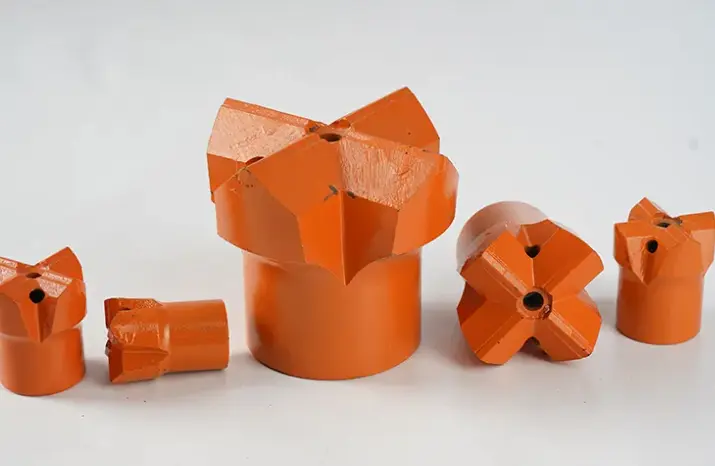
An Anchor Bit is selected not only by diameter, but also by material compatibility and drilling method.
Why Drill Bit Selection Matters
Anchors work by gripping, expanding, cutting threads, or bonding inside a drilled hole. The hole quality directly affects anchor performance.
A correct hole helps:
-
Maintain proper anchor fit
-
Support expected load capacity
-
Reduce cracking or spalling
-
Improve alignment
-
Allow correct embedment depth
-
Prevent anchor spinning
-
Improve installation speed
-
Reduce rework and material waste
A poor hole can weaken the connection even if the anchor itself is high quality.
Match the Drill Bit to the Base Material
The first step is identifying the material you are drilling into.
Concrete
Concrete usually requires a carbide-tipped masonry bit or a hammer drill bit. For heavy-duty anchors, a rotary hammer with an SDS-plus or SDS-max bit is commonly used.
Concrete hardness, aggregate type, reinforcement, and hole depth all affect drilling performance.
Brick
Brick can be softer and more brittle than concrete. A masonry bit is usually used, but drilling speed and pressure should be controlled to avoid cracking.
For hollow brick, anchor type is especially important because expansion anchors may not perform well in thin walls.
Block
Concrete block may be solid or hollow. A masonry Anchor Bit can create the hole, but the anchor must be compatible with the block structure.
Stone
Natural stone varies greatly in hardness. Granite, limestone, sandstone, and marble may need different drill speeds and bit types. A carbide or diamond bit may be required depending on the stone.
Wood
For wood anchors or lag screws, use a wood drill bit or pilot bit sized according to the screw shank and thread requirements.
Steel
For metal base materials, use a metal drill bit, such as high-speed steel, cobalt, or carbide, depending on hardness and thickness. Cutting fluid may be needed.
Common Anchor Types and Drill Bit Guidance
Wedge Anchors
Wedge anchors are commonly used in solid concrete. The drill bit diameter usually matches the anchor diameter. For example, a 1/2-inch wedge anchor generally uses a 1/2-inch hole.
Sleeve Anchors
Sleeve anchors are used in concrete, brick, or block. The hole diameter commonly matches the anchor diameter, but specifications should be checked carefully.
Drop-In Anchors
Drop-in anchors require a precise hole diameter and depth. The hole must be drilled straight and cleaned properly before setting the anchor.
Concrete Screws
Concrete screws cut threads into the drilled hole. They often require a specific bit size that may be smaller than the screw’s outside diameter. Using the wrong bit can cause poor thread engagement or difficult installation.
Plastic Wall Anchors
Plastic anchors used in drywall, masonry, or plaster often require a hole matched to the anchor body. The hole should allow the anchor to fit snugly without crushing or spinning.
Chemical Anchors
Chemical anchors use resin or adhesive to bond threaded rods or rebar into drilled holes. Hole diameter is usually larger than the rod diameter to allow adhesive coverage. Hole cleaning is very important.
How to Choose the Correct Anchor Bit Size
To choose the right bit size, check:
-
Anchor diameter
-
Anchor type
-
Base material
-
Required hole diameter
-
Required hole depth
-
Embedment depth
-
Installation torque
-
Edge distance
-
Spacing between anchors
-
Load requirement
-
Manufacturer instructions
For critical structural applications, the anchor design should be reviewed by a qualified engineer.
Drill Bit Types for Anchor Installation
Masonry Bits
Masonry bits are used for brick, block, and light concrete. They often have carbide tips and can be used with hammer drills.
SDS-Plus Bits
SDS-plus bits are used with rotary hammers for faster drilling in concrete and masonry. They are common for medium-duty anchor installation.
SDS-Max Bits
SDS-max bits are larger and stronger, suitable for heavy-duty concrete drilling and deeper anchor holes.
Diamond Core Bits
Diamond bits are used when drilling larger holes or harder materials. They can provide cleaner holes in concrete, stone, or reinforced surfaces.
HSS and Cobalt Bits
These are used for drilling steel or metal base materials. Cobalt bits offer better heat resistance for harder metals.
Hole Depth and Cleaning
Selecting the right Anchor Bit diameter is only part of the job. Hole depth and cleaning also matter.
The drilled hole should usually be deeper than the anchor embedment depth to allow room for dust. After drilling, the hole should be cleaned using a brush, air pump, vacuum, or approved cleaning method.
Dust left inside the hole can reduce anchor grip, block full insertion, or weaken adhesive bonding.
Common Mistakes to Avoid
One common mistake is guessing the drill bit size. Anchors may look similar but require different hole dimensions.
Another mistake is using a standard twist drill in concrete. It may overheat, dull quickly, or fail to create a clean hole.
A third mistake is drilling too close to an edge. Even with the correct bit, edge distance and spacing affect load capacity and cracking risk.
Other mistakes include:
-
Drilling at an angle
-
Not cleaning the hole
-
Using a worn bit
-
Over-enlarging the hole
-
Mixing anchor and bit systems
-
Ignoring embedment depth
-
Using the wrong anchor for hollow materials
Safety Tips
Anchor drilling can create dust, noise, vibration, and flying debris. Operators should use eye protection, hearing protection, gloves, and suitable respiratory protection when drilling concrete or masonry.
Before drilling, check for hidden electrical wires, plumbing, rebar, or embedded services. Use the correct drill mode and avoid forcing the tool.
Conclusion
The right drill bit for an anchor depends on the anchor type, size, base material, and installation specification. Many concrete anchors require a drill bit that matches the anchor diameter, while concrete screws, chemical anchors, and specialty fasteners may require different hole sizes.
A properly selected Anchor Bit helps create a clean, accurate hole so the anchor can grip, expand, or bond as designed. For reliable results, always match the bit to the anchor and material, drill to the correct depth, clean the hole, and follow the required installation method.
For anchor bolt and anchor bit product information, visit JF Anchor Bolt.