What Is an Anchor Coupler Used For?
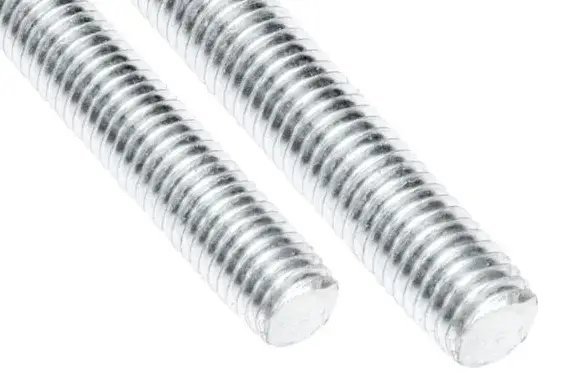
An anchor coupler is used to connect two threaded anchor rods, bolts, or studs so they can function as one continuous fastening assembly. It is commonly applied in construction, steel structures, concrete foundations, equipment installation, bridge work, wind power projects, and heavy-duty anchoring systems where standard bolt length is not enough or where an extension connection is required.
In practical terms, an Anchor Coupler helps transfer tension between connected threaded components. Instead of replacing an entire rod or using a custom extra-long bolt, contractors can use a properly matched coupler to extend, repair, or join anchor hardware in a controlled way.
Because anchoring systems often carry structural loads, the coupler must be selected carefully. Thread size, material grade, engagement length, strength, coating, and installation torque all affect performance.
What Is an Anchor Coupler?
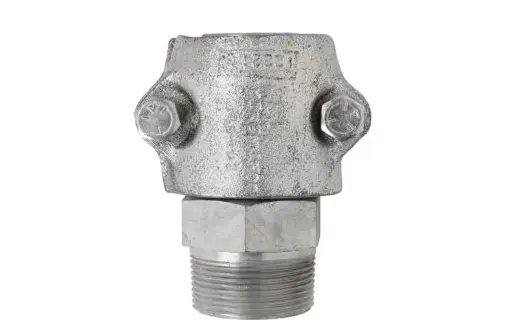
An anchor coupler, also called a coupling nut, extension nut, threaded coupler, or rod coupler, is a metal connector with internal threads. It is designed to receive the threaded ends of two rods or bolts from opposite sides.
Once both threaded parts are fully engaged, the coupler creates a mechanical connection that allows load to pass from one component to the other.
Anchor couplers are usually made from carbon steel, alloy steel, stainless steel, or other engineered metals. They may be plain, zinc-plated, hot-dip galvanized, black oxide-coated, or customized with corrosion-resistant finishes according to the application environment.
Main Uses of an Anchor Coupler
1. Extending Anchor Rods
One of the most common uses of an Anchor Coupler is extending anchor rods. In construction, anchor rods may need to pass through thick base plates, grout layers, structural steel components, or deep embedment zones.
If a rod is too short for the required assembly, a coupler can connect it to another threaded rod section. This can help achieve the necessary overall length without ordering a single custom rod.
2. Connecting Anchor Bolts in Foundations
Anchor couplers are often used in concrete foundation systems where anchor bolts must align with steel columns, equipment bases, or machinery frames.
They can be useful when the exposed threaded length must be adjusted or when an upper threaded section needs to be connected to an embedded anchor component.
3. Supporting Steel Structure Installation
In steel building construction, anchor bolts and rods help secure columns, base plates, braces, and support frames. Couplers can help connect threaded components during installation or repair work.
A properly selected coupler can support load transfer and maintain alignment between connected members.
4. Machinery and Equipment Anchoring
Heavy machines, production lines, pumps, compressors, and industrial equipment often require strong anchor systems. If the installation requires rod extension, leveling, or connection through a thick base, an anchor coupler may be used as part of the fastening assembly.
5. Repair and Retrofit Projects
In retrofit work, existing anchor rods may need to be extended or adapted to new structural components. An anchor coupler can provide a practical connection method when replacing the entire embedded anchor is difficult.
However, repair applications should be reviewed carefully by qualified engineers, especially when the anchor carries structural or safety-critical loads.
How an Anchor Coupler Works
An anchor coupler works by thread engagement. One threaded rod or bolt is inserted into one side of the coupler, and another threaded component is inserted from the opposite side.
When both sides are properly engaged, tension can pass through the internal threads of the coupler. The strength of the connection depends on:
-
Thread compatibility
-
Thread engagement length
-
Coupler material strength
-
Rod or bolt grade
-
Manufacturing accuracy
-
Surface coating thickness
-
Installation method
-
Load direction and service conditions
For reliable performance, the connected rods should be aligned properly. Misalignment can create bending stress and reduce the effectiveness of the anchoring system.
Common Types of Anchor Couplers
Standard Coupling Nuts
Standard coupling nuts are hex-shaped internally threaded connectors. They are widely used for connecting threaded rods and anchor bolts.
Heavy Hex Couplers
Heavy hex couplers have a larger cross-section and may provide greater strength or easier wrench engagement. They are common in heavy-duty structural fastening.
Reducer Couplers
Reducer couplers connect threaded rods of different diameters. They are useful when a design requires transition between two thread sizes.
Weldable Couplers
Some couplers are designed for welding to structural steel or embedded components. Welding applications should follow approved procedures and material compatibility requirements.
Custom Anchor Couplers
Custom couplers may be produced for special thread forms, lengths, grades, coatings, or project-specific anchor assemblies.
How to Choose the Right Anchor Coupler
Selecting the right coupler requires more than matching the thread diameter.
Important factors include:
-
Thread size and pitch
-
Rod or bolt grade
-
Coupler strength class
-
Required engagement length
-
Internal thread accuracy
-
Coating type and thickness
-
Corrosion exposure
-
Load capacity
-
Installation environment
-
Applicable structural requirements
-
Compatibility with nuts, washers, and base plates
For example, a high-strength anchor rod should not be paired with a low-strength coupler. The coupler should meet or exceed the strength requirements of the connected assembly, unless the design intentionally specifies otherwise.
Material and Coating Considerations
Carbon steel couplers are widely used in general construction. Alloy steel may be chosen for higher-strength applications. Stainless steel couplers may be used in environments where corrosion resistance is especially important.
Coatings also matter. Zinc plating is common for indoor or moderate-duty environments. Hot-dip galvanizing may be selected for outdoor, humid, or exposed conditions. For marine, chemical, or highly corrosive environments, coating selection should be reviewed carefully.
The coating must also be compatible with the thread fit. Thick coatings can affect thread engagement if the coupler and rods are not manufactured or finished correctly.
Installation Best Practices
A coupler should be installed with clean, undamaged threads. Dirt, rust, burrs, or coating buildup can prevent full engagement and reduce connection quality.
Installers should:
-
Verify matching thread size and pitch
-
Check that both rods enter the coupler deeply enough
-
Avoid cross-threading
-
Keep rods aligned
-
Use specified torque when required
-
Confirm that the coupler is suitable for the load
-
Inspect the connection before final tightening
-
Follow project drawings and engineering instructions
In structural applications, field modifications should not be made without approval from the responsible engineer.
Why Anchor Coupler Quality Matters
A low-quality coupler can become the weak point in an anchoring system. Poor thread machining, low-grade material, inaccurate dimensions, or weak coating can affect strength and durability.
Reliable anchor couplers help improve:
-
Load transfer
-
Installation flexibility
-
Structural alignment
-
Repair efficiency
-
Fastener compatibility
-
Long-term corrosion resistance
-
Project safety
This is why buyers should evaluate both price and technical quality when sourcing anchor hardware.
Conclusion
An anchor coupler is used to connect, extend, or adapt threaded anchor rods, bolts, and studs in construction and industrial fastening systems. It plays an important role in foundation anchoring, steel structure installation, equipment mounting, and retrofit work.
A properly selected Anchor Coupler should match the thread size, material grade, coating requirement, engagement length, and load conditions of the application. When installed correctly, it provides a dependable threaded connection that helps the anchor assembly perform as designed.
For anchor bolt and coupler product information, visit JF Anchor Bolt.