
What Is a Thread Bar Used For? Construction and Anchoring Guide
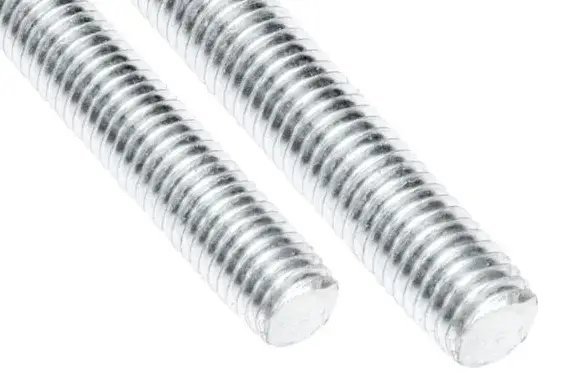
A thread bar is used to create strong mechanical connections in construction, anchoring, tunneling, mining, slope stabilization, formwork, foundation work, and structural reinforcement. It is a steel bar with continuous or partial threads that allow nuts, couplers, plates, washers, and other fastening components to be installed along its length.
Unlike a smooth steel bar, a thread bar can be tensioned, extended, locked into position, or connected to other components more easily. This makes it useful in projects where strength, adjustability, and reliable load transfer are required.
What Is a Thread Bar?
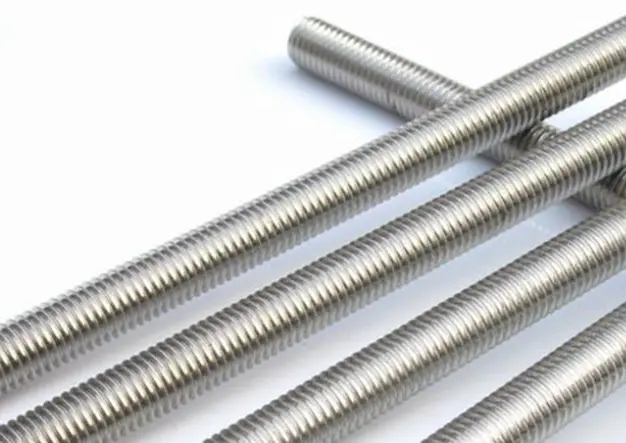
A thread bar is a long steel bar with external threads. Depending on the design, the thread may run along the full bar or only on selected sections. Full-thread bars are especially flexible because they can be cut to length and used with nuts or couplers at many positions.
Thread bars are commonly made from carbon steel, alloy steel, or high-strength steel. Surface treatments may include black finish, zinc plating, hot-dip galvanizing, epoxy coating, or other corrosion protection depending on the environment.
In engineering applications, the bar is selected according to diameter, steel grade, thread profile, tensile strength, yield strength, elongation, coating, and project requirements.
Main Uses of Thread Bars
Thread bars are used wherever a strong, adjustable, load-bearing connection is needed. Common applications include:
-
Rock and soil anchoring
-
Tunnel support
-
Mining reinforcement
-
Slope stabilization
-
Foundation anchoring
-
Formwork tie systems
-
Bridge and infrastructure work
-
Retaining walls
-
Structural bracing
-
Equipment foundation bolts
-
Temporary and permanent support systems
The same product category may serve different purposes depending on length, diameter, strength grade, accessories, and installation method.
Thread Bars in Rock and Soil Anchoring
One of the most important uses of a thread bar is anchoring. In slopes, tunnels, retaining walls, and underground works, thread bars can help stabilize rock or soil masses by transferring load into stronger ground.
The bar may be installed into a drilled hole and fixed with grout, resin, mechanical anchoring, or a combined anchoring method. A plate and nut are then installed at the exposed end to apply or hold support pressure.
This type of system helps control movement, reduce deformation, and improve the stability of the supported structure.
Thread Bars in Mining and Tunneling
In mining and tunneling, thread bars are used as part of ground support systems. They may secure rock surfaces, hold mesh, support shotcrete, reinforce tunnel walls, or connect support structures.
A thread bar is useful in these environments because it can work with plates, domed washers, couplers, and nuts. If longer reinforcement is needed, couplers may connect multiple bars together.
The correct bar depends on ground conditions, excavation size, support design, corrosion exposure, and safety requirements.
Thread Bars in Formwork and Concrete Construction
Thread bars are also widely used in formwork systems. In concrete pouring, tie bars help hold form panels in position against the pressure of fresh concrete. Nuts and plates or other accessories lock the formwork at the correct spacing.
After the concrete cures, some systems allow the bar to be removed and reused, while others leave part of the system embedded. The choice depends on the formwork design and construction method.
In foundation and structural work, thread bars can also act as anchor rods, holding machinery bases, steel columns, brackets, or structural plates to concrete.
Why Threads Matter
The threaded profile gives the bar its practical value. Threads allow connection hardware to be placed and adjusted along the bar. This makes installation more flexible than fixed-length bolts.
Threads also help transfer force through nuts, couplers, and plates. When properly tightened or tensioned, the bar can carry tensile load and help hold structural components in position.
However, thread quality is critical. Poorly formed threads can reduce nut engagement, create installation delays, or weaken the connection. Buyers should check thread accuracy and compatibility with matching accessories.
Thread Bar vs. Rebar
Thread bars and reinforcing bars may look similar from a distance, but they are used differently.
Rebar is mainly used inside concrete to improve tensile strength and crack control. Thread bar is designed for mechanical connection, anchoring, tensioning, and fastening with nuts or couplers.
Some reinforcing bars may have threaded ends or special thread forms, but a dedicated thread bar is generally selected when mechanical fastening or post-installation adjustment is required.
What Buyers Should Check Before Ordering
Before purchasing thread bars, buyers should confirm the application and load requirements. Important specifications include:
-
Bar diameter
-
Bar length
-
Thread type
-
Steel grade
-
Tensile strength
-
Yield strength
-
Surface treatment
-
Corrosion protection
-
Nut and coupler compatibility
-
Plate size
-
Packaging method
-
Testing or inspection requirements
For anchoring and structural projects, buyers should also confirm whether the bar is intended for temporary or permanent use. Permanent installations often need stronger corrosion protection and more complete documentation.
Installation Considerations
A thread bar must be installed according to the engineering design. Hole diameter, embedment length, grout quality, tightening torque, plate position, and curing time can all affect performance.
For ground support applications, field conditions may vary significantly from drawings. Engineers and site supervisors should confirm that the selected bar and installation method match the actual ground conditions.
A high-quality thread bar cannot compensate for poor installation. Product quality and site workmanship must work together.
Final Thoughts
A thread bar is used for anchoring, reinforcement, formwork, foundation fixing, mining support, tunnel stabilization, slope protection, and structural connections. Its threaded surface allows nuts, couplers, plates, and accessories to be installed securely and adjusted as needed.
When choosing a thread bar, buyers should consider strength grade, diameter, thread quality, corrosion protection, accessory compatibility, and installation conditions. For demanding engineering projects, consistent manufacturing quality and reliable technical support are essential.
For thread bar and anchoring product information, visit JF Anchor Bolt.