What Is a Centralizer in Drilling?
2026-09-17 17:10:57
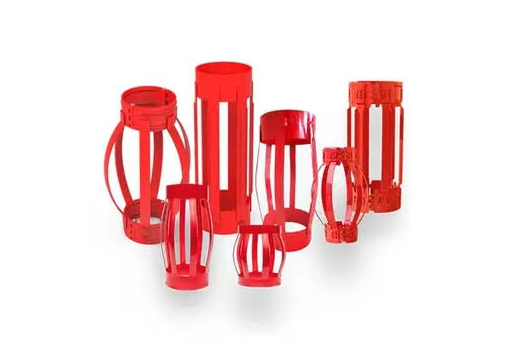
In oil and gas drilling, a centralizer is a mechanical device mounted on the outside of the casing string that keeps the casing centered inside the wellbore. It looks simple — a collar with blades, bows or ribs that holds the pipe away from the borehole wall — but its job is critical: the quality of the cement job, and therefore the long-term integrity of the well, depends on it.
When casing is not centered, the cement cannot flow evenly around the pipe, leaving voids and channels that allow gas or fluids to migrate between formations. This guide explains what a centralizer in drilling does, the different types, and what a semi rigid centralizer is — and when it is the right choice.
What Is a Casing Centralizer?
A casing centralizer is a downhole tool positioned on the exterior of the casing string, at intervals chosen in the well design. Its purpose is to maintain a concentric annular space between the casing and the wellbore wall, known as standoff. This uniform clearance lets cement flow evenly around the entire circumference of the pipe, producing a complete, continuous cement sheath.
The degree of centralization is expressed as the standoff ratio — the ratio of actual standoff to the annular clearance of perfectly centered casing, defined in the ISO 10427 series of standards. Industry practice generally targets a minimum standoff of 67% or better across the zones that must be isolated, with many operators engineering toward higher values in critical sections.
Centralizers also reduce friction while running the casing, prevent the pipe from resting against the borehole wall, and lower the risk of differential sticking — a costly failure where the casing becomes stuck against a permeable formation.
Why Centralization Matters in Cementing
The cement sheath is the well’s primary barrier. Poor centralization creates narrow and wide sides of the annulus; the cement flows preferentially through the wide side, leaving the narrow side — the side that matters most — poorly covered. The result can be:
- Fluid channeling and gas migration along the wellbore, endangering zonal isolation;
- Pressure containment failures that jeopardize well integrity and safety;
- Expensive remedial cementing operations, or even loss of the well.
This is why centralizer placement is engineered rather than guessed. Standards and recommended practices — including API RP 10D-2, which covers centralizer placement and stop-collar testing — guide the selection of centralizer type, spacing and stop-collar position, based on well trajectory, hole size, casing size and the formations being isolated.
Main Types of Centralizers
Casing centralizers fall into three main families:
| Type | Construction | Best suited for |
| Bow-spring (flexible) | Spring-steel bows between end collars | Vertical and slightly deviated holes; tight clearances; flexible running |
| Rigid | Solid steel or cast blades/ribs on a collar | Vertical wells; high load support; fixed standoff |
| Semi-rigid | Stiffer spring bows between end collars | Medium to highly deviated wells; needs restoring force plus flexibility |
Bow-spring centralizers use elliptical spring-steel bows that flex inward when passing through tight spots and spring outward to contact the borehole wall. They provide standoff in proportion to their restoring force and are the most forgiving in irregular holes.
Rigid centralizers use solid blades of fixed height, offering a fixed standoff regardless of load. They are strong and wear-resistant but can create high running friction in deviated or tight holes.
Semi-rigid centralizers sit between the two: they combine the strength and restoring force needed in deviated wells with enough flexibility to pass through restrictions.
What Is a Semi Rigid Centralizer?
A semi rigid centralizer is a hybrid design that bridges the gap between flexible bow springs and solid rigid types. It typically consists of two end collars connected by flexible spring bows — often double-crested or double-bow configurations — designed to deliver a higher restoring force than standard bow-spring centralizers while retaining the ability to flex during running.
The behavior under load is what defines the type. When a semi rigid centralizer experiences sufficient load, its bows flex inward until they contact the casing; at that point the device behaves like a rigid centralizer, providing stable standoff. This combination makes semi rigid centralizers well suited to medium- and high-deviation wells, where:
- a rigid design would generate too much running friction;
- a standard bow-spring design would not provide enough restoring force to maintain standoff;
- the operator still wants predictable, consistent centralization through the pay zone.
Semi rigid centralizers are available in welded and non-welded (hinged) versions. Hinged designs simplify installation around the casing on the rig floor, while welded designs typically offer higher structural integrity and restoring force in demanding wells. Whatever the configuration, the product should comply with the applicable API standard for casing centralizers (API Spec 10D for bow-spring types) and be verified by the test procedures defined in the ISO 10427 series.
Materials and Manufacturing Quality
A centralizer lives a hard life: it is run into a well under thousands of pounds of load, dragged along the borehole wall, compressed through restrictions, and expected to spring back exactly as designed. That performance starts with materials and manufacturing:
- Spring steel for bows, with correct heat treatment to deliver the specified restoring force without fatigue failure;
- End collars in high-strength steel, sized to the casing and tested to handle running loads;
- Surface treatment to resist corrosion and abrasion during running and in service;
- Welded or hinged construction, verified by dimensional checks, load tests and restoring-force tests.
A centralizer that looks right but lacks documented material certificates and test results is a risk no operator should take. Reputable manufacturers test every batch, record restoring-force and deflection data, and supply the documentation that engineering teams need for well-planning files.
How to Choose the Right Centralizer
Selecting centralizers for a casing string involves several variables:
- Well trajectory. Vertical wells can often use rigid or bow-spring types; deviated and horizontal wells usually need flexible or semi-rigid designs with controlled running friction.
- Hole and casing dimensions. The annular clearance determines how much standoff the centralizer can provide and which OD is needed.
- Running forces. Predicted drag and torque influence whether hinged, flexible or low-friction designs are required.
- Standoff requirement. The zones that need isolation set the minimum standoff target — often the main driver of centralizer spacing.
- Stop collars and placement. Stop collars fix the centralizer position on the casing, and spacing is designed per the cementing plan and API RP 10D-2.
The correct answer is rarely “one type everywhere” — it is an engineered combination, usually designed by the drilling and cementing engineers.
Why Manufacturing Quality Matters
Centralization failure is expensive. A channeled cement job can mean lost zonal isolation, gas migration, sustained casing pressure, and remedial operations costing multiples of the centralizer price. This is why operators and cementing companies buy centralizers as engineered components, not commodity hardware — and why the manufacturer’s material control, precision engineering and testing capability matter as much as the part number.
Jiufu: Precision Metal Products for Drilling and Mining
Manufacturing the steel components used in drilling — from anchoring systems to downhole accessories — requires the same discipline: premium material selection, precision fabrication, strict inspection and the ability to build to customer specifications.
Hebei Jiufu Industrial and Mining Accessories Co., Ltd. (Jiufu) is a professional metal anchoring manufacturer founded in 2014 with more than 10 years of industry experience. Its anchoring products are exported to more than 150 countries and regions, including the United States, Canada, Russia, Chile, Peru and Colombia, through 13 national authorized distributors. The company operates a 20,000-square-meter production workshop across 8+ product lines, and supports full product customization, manufacturing strictly according to customer requirements, with rapid delivery of in-stock items within 7 days.
Jiufu applies a full-process quality inspection system from raw material selection to finished-product delivery, with standardized testing on every batch of metal anchoring products to ensure stable performance, high strength and long service life. Its product range includes rock bolts, mining pallets and resin anchor agents for mining and underground support, and its precision engineering and scalable manufacturing support orders from customized samples to large bulk shipments. For drilling-related requirements — including sourcing casing centralizers and other steel downhole components — the company’s customization and manufacturing capabilities provide a single point of contact from specification to shipment.
Conclusion
A centralizer in drilling is a small component with an outsized job: it keeps the casing centered so the cement can form a complete, reliable barrier around the wellbore. Choosing the right type — rigid, bow-spring or semi rigid centralizer — depends on the well trajectory, hole conditions and the standoff required for zonal isolation, and it should always be backed by standards compliance and documented testing.
If you are sourcing casing centralizers, stop collars or other precision steel components for drilling projects, or need reliable metal anchoring products for mining and construction, our team can help. Contact Jiufu to discuss your requirements — contact us for specifications and quotations.
Frequently Asked Questions
What is a centralizer in drilling?
A centralizer is a device mounted on the outside of the casing string that keeps the casing centered in the wellbore. It maintains a uniform annular space so cement can flow evenly around the pipe and achieve zonal isolation.
Why are centralizers important?
Without proper centralization, cement channels through the wide side of the annulus and leaves the narrow side uncovered, risking gas migration, pressure containment failure and expensive remedial cementing.
What is a semi rigid centralizer?
A semi rigid centralizer is a hybrid between bow-spring and rigid designs. Its spring bows provide high restoring force and flexibility during running; under sufficient load the bows flex inward until they contact the casing, and the device then behaves like a rigid centralizer.
When should a semi rigid centralizer be used?
Semi rigid centralizers are commonly used in medium- to high-deviation wells where a rigid design would create too much running friction but a standard bow-spring design would not provide enough restoring force to maintain standoff.
What standards apply to casing centralizers?
API Spec 10D covers bow-spring centralizers and API RP 10D-2 covers centralizer placement and stop-collar testing, while the ISO 10427 series defines standoff terminology and test procedures.