The Ultimate Guide to the Difference Between Rock Bolt and Rock Anchor Systems
If you work underground, you know that gravity never takes a day off. Whether you are holding up the roof of an active copper excavation or locking down a massive concrete wall, you need steel that you can trust. Two terms get tossed around the site constantly: rock bolts and rock anchors. While they might look similar on a purchase order, using the wrong one can lead to catastrophic failure. Today, we are going to break down the exact difference between rock bolt components and deep-seated anchor tools. This article is worth reading because understanding these ground support mechanisms will save you time, cut your project costs, and most importantly, keep your crew alive. We will strip away the sales fluff and look at the raw data, yield loads, and safety standards.
What exactly is a rock bolt, and how does it work?
A rock bolt is your first line of defense in underground excavations. It is a critical support tool, usually a rugged steel tendon or bar, designed to hold the surface layer of an excavation together. Think of it like a giant heavy-duty screw for the earth. You install it by drilling a hole directly into the exposed surface. The bolt is inserted into this opening, and then it is locked into place using resin, cement, or friction.
These bolts work by pinning loose or fractured strata against the solid mass behind it. Rock bolts are primarily used to tie a fractured rock mass together, creating a unified, strong block that can support its own weight. This action prevents small rocks from peeling off and stops catastrophic rockfalls that can crush equipment or injure workers. They actively induce compressive forces within the rock layers, acting like a clamp that squeezes everything tightly together.
We see these used extensively in a typical mine shaft or a transport tunnel. When a crew blasts a new heading, the newly exposed roof is vulnerable. Teams rush in to install Split Rock friction anchor systems. These friction-style bolts expand against the walls of the drill hole, providing immediate ground support. They secure loose rock efficiently, allowing the mining operation to continue with zero downtime.
What defines a rock anchor, and why is it used?
A rock anchor is a different beast entirely. While a bolt holds the surface, an anchor digs deep. It is designed to reach far past the fragile surface layers and bite into deep, stable rock. When a massive steel tendon is inserted deep into a long borehole, it is designed to carry extreme weight. Rock anchors function as high-capacity tie-backs that keep massive structures from moving.
These heavy-duty devices are used to transfer extreme tensile loads from a structure deep into the earth. When you are building monumental projects, the surface dirt simply cannot hold the weight. Rock anchors are designed to handle this burden. For example, structures like towering skyscrapers, massive retaining walls, or large bridge abutments rely on them. They actively transfer tensile loads away from the vulnerable surface to ensure absolute load-bearing capacity for the entire project.
Because they hold so much weight, these anchors require immense precision. Rock anchors provide a deep-seated grip that cannot be matched by shorter bolts. This incredible strength is what makes them suitable for massive dam foundations and heavy civil engineering endeavors. They lock the man-made structure to the bedrock itself.
What is the main difference between rock bolt and rock anchor systems?
The main difference between rock bolt and rock anchor systems comes down to depth, load capacity, and their primary function in the ground. Choosing between rock bolts and deep anchors is vital for any project manager. A rock bolt reinforces the surrounding rock right at the edge of the excavation. It knits the immediate roof and walls together. On the flip side, a rock anchor reaches completely past the unstable rock formations to tie the entire area into deeply buried, competent rock.
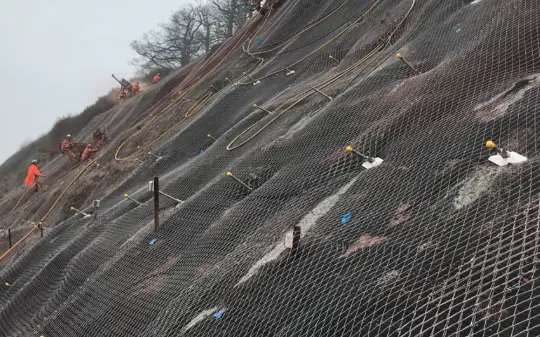
Understanding the differences between rock reinforcement strategies is absolutely essential for engineers. Both systems are used to stabilize and reinforce the earth, but they do so in completely different ways. Anchors and rock bolts often work together on the same site. You might use bolts to hold the wire mesh on the wall, while a massive anchor holds the wall itself in place.
To put it simply, a bolt makes the ground support itself, while an anchor forces the deep bedrock to support a structure. Choosing between rock bolts and heavier anchors depends entirely on your geotechnical reports. You must know exactly what forces you are fighting before you place an order.
Exploring the key differences between rock anchors and rock bolts in load capacity
Let’s talk numbers and load capacities. This is one of the several key differences between rock support tools. Rock bolts are typically shorter—usually between 1.5 to 3 meters long—and handle lower loads, generally between 10 to 20 tons. This is plenty of strength to hold up a standard mine roof. However, when you need massive tension capacity, you select an anchor.
Deep anchors can be 10, 20, or even 30 meters long. They are often tensioned immediately after installation because they play an active support role right out of the gate. Rock anchors use highly engineered, high-strength steel cables or thick threaded bars. They are designed to transfer immense weight, sometimes exceeding 100 or 200 tons per unit! Rock bolts and rock anchors both improve overall safety and stability, but a heavy rock anchor secures massive, earth-moving forces.
This extreme capability is what drives their use in the world of civil engineering.
| Feature | Rock Bolt | Rock Anchor |
|---|---|---|
| Typical Length | 1.5m to 3m | 10m to 30m+ |
| Load Capacity | 10 to 25 Tons | 50 to 200+ Tons |
| Primary Material | Solid steel bar or friction tube | High-strength steel strand or thick bar |
| Installation Focus | Immediate surface reinforcement | Deep load transfer to bedrock |
This table clearly highlights the difference in scale. They are not interchangeable.
How does a self-drilling anchor fit into anchor systems?
Sometimes, the ground you are working in is completely terrible. It might be full of sand, broken shale, or flowing water. If you try drilling a hole in this garbage ground, the borehole immediately collapses the second you pull the drill bit out. If the hole collapses, a standard bolt or cable fails. This is exactly where a self-drilling anchor shines.
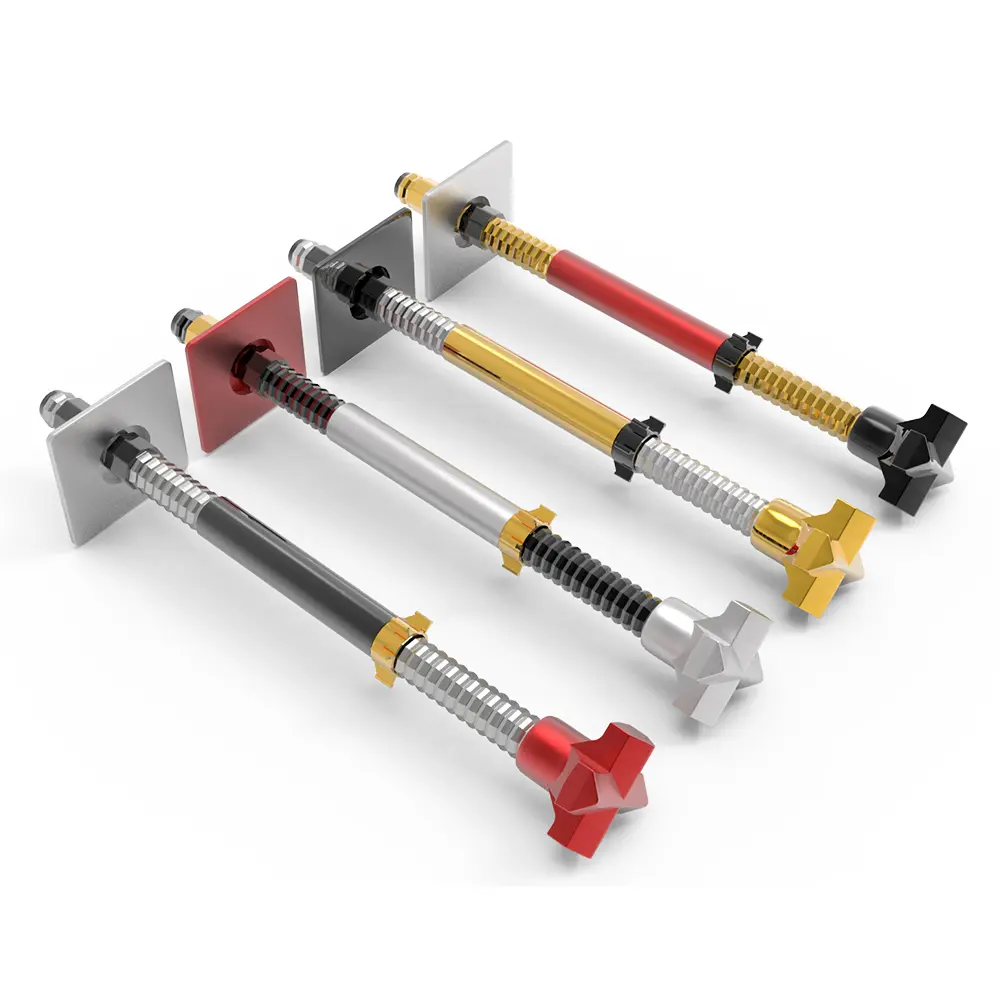
These unique anchor systems combine drilling, installation, and grouting all into one fluid step. You don’t drill a separate hole into the rock. Instead, the steel bar itself has a sacrificial drill bit attached to the end. The bar is hollow. As the machine spins the self-drilling anchor into the earth, it simultaneously pumps grout through the center hole. This self-drilling anchor method is perfect for highly unstable rock or soil.
By acting as both the drill and the support, it ensures that anchor installation happens smoothly without cave-ins. This drastically improves safety and efficiency on the job site. Products like our Self-drilling Hollow Anchor are a prime example of this technology, allowing crews to secure terrible ground in a fraction of the time.
When should you use self-drilling anchor systems in underground mines?
In an active mine, speed and safety are non-negotiable. Every hour spent fighting bad ground is an hour you aren’t extracting ore. Self-drilling anchor systems are your best friend when dealing with a highly unstable rock mass. If you are doing a deep excavation in a Nevada copper facility or an Australian coal mine, and the walls are crumbling around you, standard drill-and-load methods waste precious time.
By using hollow bar systems, miners can rapidly secure the heading. They use the rig to drill the bar in, and instantly pump cement grout or a mechanical resin straight through the middle. This immediately bonds the anchor directly to the surrounding strata.
These tools are incredibly versatile in modern engineering and construction. They are particularly vital in challenging mining and tunneling environments where traditional methods fail. When the ground is falling apart, you don’t have time to mess around with collapsing holes. You drill, pump, and move on.
What are the primary differences between rock reinforcement methods in tunnel construction?
Building a tunnel through a mountain requires rigorous and precise geotechnical engineering. The choice between a rock bolt and rock anchor depends entirely on the tunnel depth, the diameter of the opening, and the overall stability of rock formations. Rock bolts are widely used in a radial pattern to create a protective, self-supporting arch around the excavation roof. They effectively pin the immediate rock layers together.
However, if the tunnel is passing through a major fault line and faces massive geological squeezing pressure, engineers must deploy a heavy-duty ground anchor. Rock anchors function to lock the tunnel walls deeply into solid, immovable ground far beyond the damaged zone. Identifying these key differences between rock supports is absolutely crucial for ensuring the safety of the miners and the longevity of the infrastructure. For heavy pressure zones, an Expansion Shell Anchor Bolt or a heavily tensioned cable is the only way to prevent the walls from closing in.
How do you choose between a rock bolt and rock anchor for slope stability?
Slope stabilization is a massive industry. Keeping mountainsides from falling onto highways or open-pit floors prevents catastrophic landslides. When dealing with steep rock slopes, selecting the most effective tool is a matter of life and death. If the surface rock is just flaking off and causing minor hazards, you use a rock bolt alongside wire mesh to hold the loose pieces in place. They secure rock faces highly efficiently and cost-effectively.
However, if the entire hillside is resting on a slick slip-plane and threatens to slide down all at once, you need a massive anchor. A deep rock anchor reaches far past the danger zone and deeply penetrates into stable rock. It is used to stabilize the whole geological mass. They are often heavily tensioned and paired with large concrete retaining walls to permanently hold back the earth.
Why do engineers use rock bolts and rock anchors for dam foundations?
Building a dam involves holding back millions of gallons of water. The hydraulic pressure is staggering, meaning the foundation must be absolutely flawless. Structures like dam abutments face incredible pushing forces that try to slide the concrete right off the rock. Rock bolts and rock anchors are both necessary here, but they play different roles.
A standard rock bolt might be used to consolidate the surface rock during the initial blasting and construction phase. However, a massive, multi-strand rock anchor is used to transfer the immense, pushing loads from a structure deep down into the solid bedrock. Like dam foundations, large retaining structures require high-capacity cables that actively transfer tensile loads safely into the earth. We lock these down by fastening a heavy-duty Mushroom Head Dome Nut to secure the plate, ensuring zero movement under pressure.
How do we test anchor reliability before installation?
Before large construction projects can proceed, we must relentlessly verify all stability requirements. In this industry, we don’t just guess; we test. Selecting the right anchor involves severe quality control. Every batch of support material undergoes a rigorous “pull test.”
We install the steel into the ground and pull it with a hydraulic jack. We measure the exact tensile load it can handle before the steel yields or the grout fails. Due to their active role in preventing mountain collapses, this quality control is paramount. We need to guarantee that the system can handle extreme tensile loads from structures without stretching.
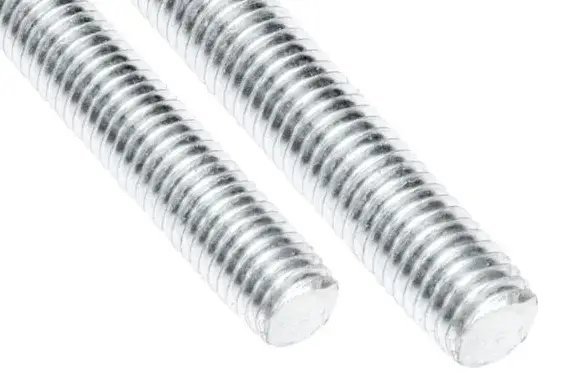
Whether you are using a simple Threaded steel anchor or a complex tensioned cable, knowing the exact difference between rock bolt yield strength and deep anchor yield strength guarantees the job is done right. It is all about the data.
Summary
To wrap things up, here are the most important things to remember about these systems:
- Function: A bolt reinforces the immediate surface by clamping strata together. A deep anchor transfers massive loads far into stable bedrock.
- Depth: Bolts are generally short (1.5m to 3m). Anchors are extremely long (10m to 30m+).
- Load: Bolts handle lighter surface loads (10-25 tons). Deep anchors secure monumental weights (50-200+ tons).
- Tension: An anchor is almost always heavily tensioned immediately upon installation to provide active support for large structures.
- Self-Drilling: When the ground is loose and holes collapse, self-drilling systems allow you to drill and grout simultaneously, saving massive amounts of time in a mine or tunnel.
- Safety First: Always demand pull-test reports. A piece of steel is only as good as its proven yield strength. Ensure you use the right tool to stabilize rock in your specific environment.