The Guide to Stainless Steel Metric Lifting Eye Bolts DIN 580, A2, and M24
When you need to hoist heavy mining equipment, guessing is not an option. You need a trusted bolt designed for safety. This article breaks down the critical guidelines for lifting eye bolts. It shows you why stainless steel matters. It also explains why a solid forge technique is vital. Understanding these specifications ensures zero downtime. It keeps your crew safe in harsh underground environments. Reading this will save you from catastrophic rigging failures.
What exactly is the DIN 580 specification?
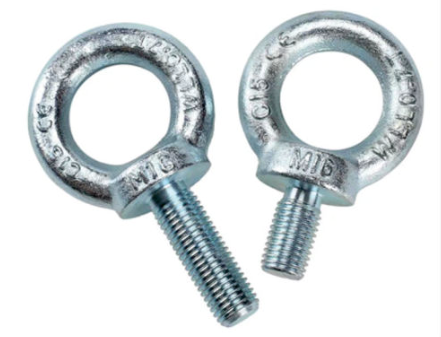
In heavy industries, the DIN 580 designation is more than just a code. It is a strict requirement. It dictates the shape, material, and working load limits of lifting gear. Unlike regular friction support products, this hardware hoists heavy motors, gearboxes, and thick steel plates reliably.
The metric dimensions defined in the specification ensure a perfect fit every time. A genuine DIN 580 component must have a solid shoulder. This shoulder sits flat against the mating surface. It spreads the load well. This prevents the bolt from snapping under angled stress.
Why must a lifting eye be a forged product?
Safety is a non-negotiable priority underground. That is why these fasteners must be produced using a drop forge process. Forging aligns the metal’s grain structure. It makes the material incredibly tough and resilient under heavy shock loads.
If a manufacturer casts the metal instead, microscopic air pockets can form. These hidden flaws destroy the strength of the piece. A sudden jerk during a lift could cause a cast ring to shatter. Always demand fully forged lifting eye bolts DIN 580 to prevent these catastrophic failures.
How does stainless steel perform underground?
Deep mines are wet, acidic, and highly corrosive. Here, stainless steel outshines regular carbon variants. It resists rust aggressively. This ensures the thread stays clean. The eye remains structurally sound over years of abuse in damp shafts.
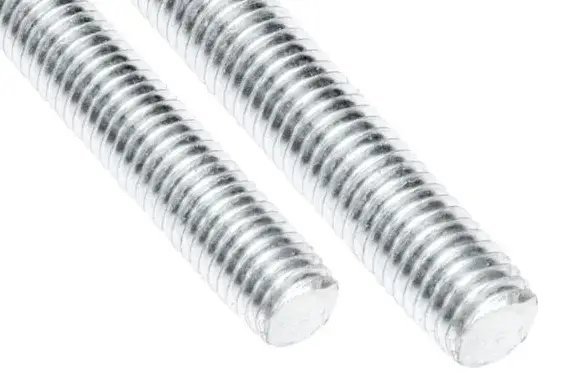
We often supply robust reinforcement products like the Threaded steel anchor. While regular carbon variants work well for ground support when galvanized, hoisting points often require bare metal resilience. Stainless steel guarantees that when you hook onto that ring five years from now, it will hold the weight safely.
What is the difference between A2 and A4 material grades?
When buying corrosion-resistant fasteners, you will see grades like A2 and A4. The A2 grade is a very popular material for general outdoor and wet use. It offers fantastic corrosion resistance for most typical mining environments. This keeps the bolt secure.
However, if your shaft has high salt or chloride levels, you might need A4. It contains added molybdenum for extreme chemical resistance. For most general ground support and equipment rigging, an A2 bolt provides the perfect balance of reasonable cost and long-lasting durability
How do you select an M24 size for heavy rigging?
Sizing is a critical step in rigging. An M6 size is quite small. It is typically rated for lifting just a few hundred pounds. You might use it to lift small pump covers or electrical boxes. But when you need to move massive drill rigs, you must step up to an M24.
An M24 DIN 580 piece has a massive shank. It can safely hoist tons of weight. Always check the working load limit stamped on the ring. Using a small bolt for a huge job is a recipe for disaster. No procurement manager should ever risk it.
Why are CAD models and 3D files crucial?
Today, engineers do not just guess if a part will fit the machinery. They use a CAD software environment to simulate the entire lift. By dropping a 3D model of the fastener into their program, they can visualize clearances. They check angles and potential stress points before buying.
We highly encourage geotechnical teams to integrate exact CAD files into their digital plans. A precise digital layout prevents costly mistakes before the steel even arrives at the site. This ensures the material behaves exactly as predicted.
How do you properly install a lifting bolt with a backing plate?
A lifting ring must be seated correctly to function safely. You cannot just spin it halfway. The shoulder must be tight against the surface. If the hole goes all the way through, you must secure the thread on the other side. You need a heavy-duty nut and a sturdy washer.
Using a reliable Washer spreads the clamping force evenly. Never use a normal structural piece to lift overhead loads. Only use dedicated lifting eye bolts. If the threads are ever damaged, throw the part away immediately.
What are the strict rules for lifting eye bolts?
Proper rigging rules dictate how you pull the load. You should always align with the plane of the eye. Pulling at a 90-degree angle to the face of the ring slashes its lifting capacity by more than half. It puts extreme stress on the thread.
If your lift requires multiple sling legs, the angles drastically change the stress dynamics. This is why following the DIN 580 spec sheet is mandatory. It tells the rigger exactly how much weight the bolt can handle at a 45-degree sling angle.
Why is standard compliance critical for rigging systems?
Procurement managers know that cutting costs more often leads to higher expenses in the long run. By strictly following guidelines for lifting eye components, you ensure a safe site. Every piece of hardware is certified, tested, and highly traceable back to the factory.
Always request pull test reports for your lifting eye bolts. Just as you demand quality reports for a Split Rock friction anchor batch, you must verify the dimensions. Check the tensile yield of your hoisting gear to ensure total compliance.
Can a proper DIN 580 bolt improve site safety?
Absolutely. When workers see a properly stamped, heavy-duty A2 ring, they know they can trust it with their lives. A rigorous manufacturing process removes the guesswork. It provides the ultimate peace of mind for the entire crew.
We take pride in supplying these safety-critical items. Whether you are using heavy Diamond Mesh to secure a tunnel roof or a massive DIN 580 ring to lift a pump, quality matters. Keep your operations running smoothly with reliable, strictly tested steel.