Master the Rock Bolt and Rock Anchor: Ensuring Bolt and Rock Structural Integrity
When you excavate deep underground, the earth wants to close that void. A rock bolt is a steel lifesaver that prevents catastrophe. Read this article to learn how proper ground support keeps operations running smoothly. Understanding these mechanics is crucial to preventing fatal cave-ins and safeguarding your investments.
How does a rock bolt maintain structural integrity in mining?
When advancing a tunnel, the blasting process exposes a fresh rock face. Without immediate support, this newly cut area is highly dangerous. A bolt must be drilled into the rock to secure the loose rock against the ceiling immediately. This process pins the fragile outer layer to the stable parts of the rock mass deeper inside the wall.
In fact, a rock bolt is used in mining globally every single day. These active support systems ensure that the roof and wall of the excavation do not cave in. Because bolts are extensively used in these harsh environments, they must be tested rigorously before leaving the factory floor.
A proper rock bolting system gives operators the confidence to work under suspended loads. When miners know the ceiling is secured, productivity increases, and downtime disappears.
What is the difference between a bolt and a rock anchor?
People often confuse these two terms, but they serve distinct functions. Bolts are typically shorter and handle localized stress. A rock anchor, on the other hand, is installed much deeper and is often designed to apply active tension. This heavy-duty anchor creates massive anchorage deep within a geological formation.
Today, standard bolts are used everywhere for quick fixes, but deep anchor systems do the heavy lifting for massive loads. Anchor bolts provide a massive load capacity that a standard fastener simply cannot match.
If you need immense pull-out resistance, a mechanical anchor provides the grip required. You use the smaller fastener for the immediate surface, and the deeper system to hold the entire block of earth steady.
How does an engineer choose the right bolt for a project?
An engineer cannot guess when lives are on the line. They study the geological conditions meticulously before drilling begins. The exact rock type dictates the hardware choice. You make decisions strictly based on rock properties and the presence of any geological fracture.
Different types of rock require very specific bolt types. A steel rod used in hard granite will fail if used in soft, swelling clay. By analyzing the ground, professionals match the bolt to the exact challenge.
We always check the structural integrity of the steel batches in the factory. This ensures the system performs flawlessly under immense pressure underground.
Why is reinforcement essential for bolt and rock stability?
If you ignore rock reinforcement, a sudden collapse is inevitable. Proper reinforcement acts as the skeleton of the mine. The friction and grip between the bolt and the rock hold the entire mountain up against gravity.
We reinforce the rock to stop the surrounding rock mass from shifting unpredictably. It is an absolutely critical element in mine planning. The way rock bolts work is by turning the rock itself into a load-bearing arch.
This method preserves the integrity of the rock mass and guarantees safety and stability in deep underground mines. It transforms a dangerous cavern into an engineered workspace.
How do anchor types perform in underground mining?
In heavy mining, you need an anchor that bites hard and never lets go. A split rock friction anchor expands instantly inside the hole, while others use expansion shells. Rock bolts are used precisely because they offer this immediate, unyielding grip.
For permanent, long-lasting setups, fully grouted bolts are the ultimate standard. They bond the bolt entirely to the rock, leaving no gaps for air or water to enter.
Whether you use a friction tube or a threaded bar, the goal is to secure the rock mass before it can shift. A locked-in ceiling is a safe ceiling.
What makes a rock anchor crucial for slope works?
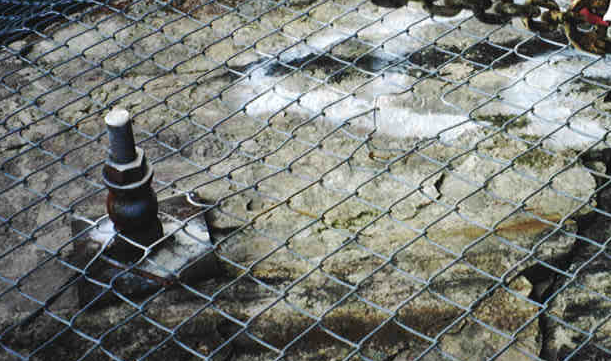
When managing a hillside, a slope stabilization project is incredibly demanding. You constantly battle weathered rock and highly unstable rock formations. A deep anchor bypasses the junk and locks the unstable rock safely into the deep, competent rock.
Any construction to stabilize a cliff face relies on this technology. We employ these systems in highway construction projects to hold back thousands of tons of earth effectively.
They provide massive lateral support for massive retaining walls. Whether dealing with solid rock or soil, the right tool prevents catastrophic landslides and keeps roadways open. Proper slope stabilization saves infrastructure.
How do installation methods affect the anchor bond?
Proper rock bolt installation requires intense precision. If you drill a hole at the wrong angle, the bond is severely compromised. The installation methods dictate whether the grout will actually hold the bolt in place when a load hits.
The drilling and grouting phase is critical. We pump high-strength cement grout into the void to ensure the rod is fully grouted.
Good grouting locks every single thread of the steel bolts firmly into the earth. If you rush the grouting, the entire support network is useless.
Why are mechanical anchor options preferred by engineers?
Sometimes you cannot wait for the grout to cure. An engineer will specify a mechanical shell when immediate support is mandatory. Bolts are preferred in this format because they lock into place the second you torque them down.
These anchor setups expand against the hole walls instantly upon rotation. Bolts are used to secure wire mesh and heavy plates without delay.
This speed provides reliable rock support the moment the drill rig backs away from the face. Fast cycle times mean higher profitability for the operation.
What role does a rock bolt play in reinforcement for dams?
A dam holds back unimaginable water pressure 24/7. You must stabilize the concrete foundation securely to the earth below. We use a high-strength bolt for this precise reinforcement.
These thick steel rods increase the load-bearing capacity of the entire structure. The equipment used to stabilize the area is rigorously tested before a single drop of concrete is poured.
Rock bolts offer a level of security that prevents catastrophic sliding. Without them, the water would push the concrete block right off the bedrock.
How do we test a bolt to ensure maximum safety?
You cannot just install a bolt and hope for the best. Strict geotechnical pull tests are mandatory on every site. We yank the bolt with massive hydraulic jacks to check the holding tension.
The site engineers dictate the specific bolt patterns for the job based on core samples. In a critical rock zone, fasteners are spaced much closer together to share the immense weight.
Installing epoxy-coated bolts here adds extreme durability, as the epoxy prevents underground water from rusting the steel. This careful approach guarantees long-term stability for decades.
Key Takeaways
- A rock bolt pins the loose surface layer to the stable inner core of the earth.
- Deep anchor options provide massive load capacity for permanent infrastructure.
- Geotechnical testing ensures the correct bolt is chosen for the specific ground conditions.
- Proper drilling and precise grouting are non-negotiable for a strong bond.
- Mechanical anchors offer immediate support, speeding up mining cycle times safely.