How Strong Are Fiberglass Bolts? Key Strength Factors and Applications
Fiberglass bolts are strong enough for many demanding industrial, marine, electrical, and chemical environments, but their strength should be evaluated differently from steel bolts. Instead of being selected only for maximum tensile load, fiberglass bolts are often chosen for their corrosion resistance, lightweight structure, electrical insulation, and long-term performance in harsh service conditions.
In general, fiberglass bolts provide good tensile strength, reliable dimensional stability, and excellent resistance to rust and many chemicals. However, they are not always a direct replacement for carbon steel or stainless steel bolts in high-load structural connections. The correct choice depends on bolt diameter, resin system, glass fiber content, thread design, installation torque, working temperature, and the specific load direction.
What Gives Fiberglass Bolts Their Strength?
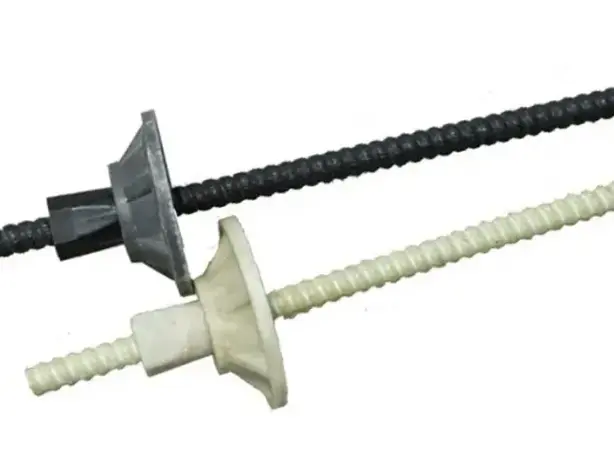
Fiberglass bolts are usually made from fiber-reinforced polymer materials. The glass fibers provide mechanical strength, while the resin binds the fibers together and protects them from moisture, chemicals, and environmental exposure.
Several factors determine how strong fiberglass bolts are:
- Fiber reinforcement: More continuous glass fiber generally improves tensile strength and stiffness.
- Resin type: Different resin systems affect chemical resistance, heat resistance, and long-term durability.
- Bolt diameter: Larger diameters can usually carry higher loads when properly designed.
- Thread quality: Threads must be formed accurately to reduce stress concentration.
- Installation method: Over-tightening may damage composite threads, so torque control is important.
- Service environment: Chemicals, UV exposure, temperature, and vibration can affect performance over time.
Are Fiberglass Bolts Stronger Than Steel Bolts?
Fiberglass bolts are usually not stronger than steel bolts in pure tensile, shear, or impact load capacity. Steel remains the preferred choice for heavy structural fastening where very high mechanical strength is the main requirement.
However, fiberglass bolts can outperform metal fasteners in specific environments. Unlike steel, fiberglass bolts do not rust, do not conduct electricity, and are much lighter. In corrosive or electrically sensitive applications, these advantages can make fiberglass bolts a better long-term fastening solution.
A practical comparison looks like this:
| Factor | Fiberglass Bolts | Steel Bolts |
|---|---|---|
| Tensile strength | Good, application-dependent | Very high |
| Corrosion resistance | Excellent | Requires coating or stainless grade |
| Electrical conductivity | Non-conductive | Conductive |
| Weight | Lightweight | Heavier |
| Chemical resistance | Strong with proper resin | Varies by alloy/coating |
| Best use | Corrosive, electrical, marine, chemical environments | Heavy structural and high-load fastening |
Where Are Fiberglass Bolts Commonly Used?
Fiberglass bolts are widely used where metal fasteners may corrode, interfere with electrical performance, or add unnecessary weight. Common applications include:
- Chemical processing equipment
- Marine and offshore structures
- Wastewater treatment facilities
- Power and electrical installations
- Cooling towers
- FRP platforms and grating systems
- Cable trays and insulation systems
- Non-magnetic or low-conductivity assemblies
In these environments, the value of fiberglass bolts is not only their strength, but also their ability to maintain performance without rusting or creating galvanic corrosion problems.
How to Select the Right Fiberglass Bolts
To choose fiberglass bolts correctly, buyers should evaluate both mechanical and environmental requirements. Important selection points include:
- Load requirement: Confirm whether the bolt will carry tensile, shear, clamp, or alignment loads.
- Chemical exposure: Match the resin system to acids, alkalis, salts, solvents, or moisture.
- Temperature range: Make sure the material can handle the working temperature.
- Thread engagement: Use proper nuts, washers, and installation torque.
- Service life expectations: Consider UV exposure, vibration, fatigue, and maintenance access.
- Safety margin: For critical applications, engineers should verify performance through technical data and project-specific calculations.
Fiberglass bolts are best used when material compatibility and environmental durability are as important as mechanical strength.
Are Fiberglass Bolts Suitable for Structural Use?
Fiberglass bolts can be suitable for certain structural or semi-structural applications, especially in FRP systems and corrosive environments. However, they should not be used as a direct substitute for steel anchor bolts, heavy-duty foundation bolts, or load-bearing structural fasteners without engineering review.
For safety-critical projects, the bolt specification should be based on actual working loads, installation conditions, and approved design standards. Professional guidance is especially important for bridges, large equipment bases, high-vibration systems, and overhead structures.
Conclusion
Fiberglass bolts are strong, durable, lightweight, corrosion-resistant, and electrically insulating fasteners. While they usually do not match steel bolts in maximum mechanical load capacity, they offer major advantages in harsh environments where metal fasteners may fail due to rust, conductivity, or chemical attack.
For projects that require reliable fiberglass bolts for industrial, marine, electrical, or chemical applications, you can contact the supplier here: https://www.jfanchorbolt.com/contact-us/
FAQ
Are fiberglass bolts waterproof?
Fiberglass bolts have excellent moisture resistance, especially when made with a suitable resin system. They are commonly used in marine, wastewater, and outdoor applications.
Can fiberglass bolts rust?
No. Fiberglass bolts do not rust because they are non-metallic. This makes them useful in corrosive and high-humidity environments.
Can fiberglass bolts replace stainless steel bolts?
They can replace stainless steel bolts in some corrosion-resistant or electrical insulation applications, but not in every high-load structural use. The application should be checked before replacement.
Are fiberglass bolts electrically conductive?
No. Fiberglass bolts are generally non-conductive, which makes them suitable for electrical and insulation-related installations.
What is the main advantage of fiberglass bolts?
The main advantage of fiberglass bolts is their combination of corrosion resistance, lightweight design, electrical insulation, and stable performance in harsh environments.