Difference Between Self-Drilling Hollow Grouting Anchors and Ordinary Grouting Anchors
2026-04-03 10:18:12
In modern civil engineering, mining, slope stabilization, and underground construction, grouting anchors are core components for reinforcing unstable rock and soil. Two dominant types dominate the market: self-drilling hollow grouting anchors and ordinary grouting anchors. While both serve anchoring and grouting purposes, their design, construction process, performance, and application scenarios differ drastically. This article breaks down their key differences to help engineers, contractors, and project managers select the right anchor for geological conditions and project goals.
What Are Self-Drilling Hollow Grouting Anchors?
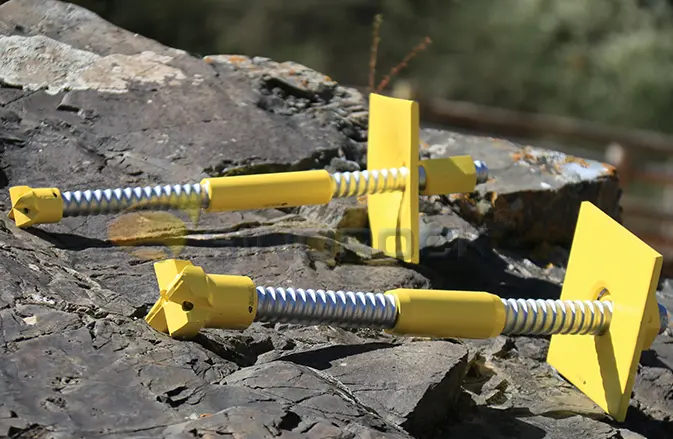
Self-drilling hollow grouting anchors are an integrated anchoring system that combines drilling, anchoring, and grouting into one single operation. The core component is a seamless hollow steel bar with a carbide drill bit fixed at the front end—this hollow channel acts as both the drilling flushing path and grouting channel. Additional parts include couplers, stop plates, nuts, and bearing plates.
During installation, the hollow bar drills directly into rock/soil; cuttings are flushed out through the annular gap between the bar and borehole. Once reaching the design depth, cement slurry is injected under pressure through the hollow center, flowing from the drill bit end backward to fully fill the borehole and bond the anchor to the surrounding medium. No drill rod withdrawal, casing installation, or separate grouting tube is needed.
What Are Ordinary Grouting Anchors?
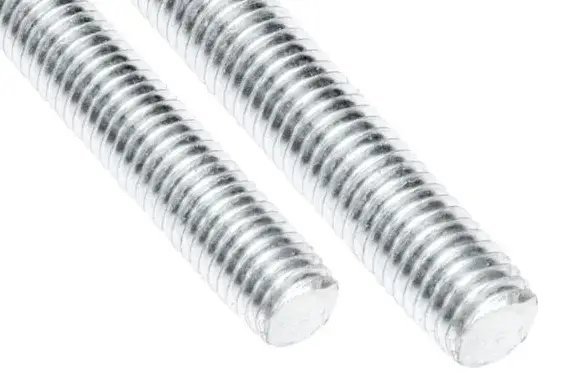
Ordinary grouting anchors (also called solid bar grouting anchors) use a solid steel bar (rebar, threaded steel rod) as the main body, paired with separate drill bits, casings (for loose ground), and independent grouting tubes. This system follows a traditional multi-step workflow:
- Drill a borehole with a separate drill rig (install casing to prevent collapse in soft ground)
- Withdraw the drill rod and clean the borehole thoroughly
- Insert the solid anchor bar and dedicated grouting tube into the hole
- Inject grout from the bottom up via the separate tube to fill the annular space
This traditional design relies on separate tools and steps, with no integration between drilling and grouting functions.
Key Differences: Structure, Construction, Performance & Applications
1. Core Structural Design
- Self-Drilling Hollow Anchor: Hollow steel bar (central through-hole) + integrated carbide drill bit. The hollow core serves dual roles: drilling flushing and high-pressure grouting. No extra grouting tube required.
- Ordinary Grouting Anchor: Solid steel bar (no internal channel) + separate grouting tube + independent drill bit. Requires auxiliary casing in unstable ground to avoid borehole collapse.
2. Construction Process & Efficiency
| Feature | Self-Drilling Hollow Grouting Anchors | Ordinary Grouting Anchors |
|---|---|---|
| Steps | 1-step integrated operation (drill → anchor → grout) | 4+ separate steps (drill → clean → insert → grout) |
| Speed | 30–50% faster; reduces downtime and labor costs | Slow; frequent interruptions for tool changes and hole cleaning |
| Auxiliary Needs | No casing, no separate grouting tube, minimal tool changes | Requires casing, grouting tubes, and multiple drill/grout equipment |
3. Geological Adaptability & Borehole Stability
Self-drilling hollow anchors excel in loose, fractured, water-rich, or soft rock/soil—the simultaneous drilling and anchoring eliminates borehole collapse risk, even in highly unstable strata. They work reliably in vertical, horizontal, inclined, and overhead holes up to 20+ meters deep.
Ordinary anchors struggle in complex geology: boreholes collapse easily in loose ground, requiring costly casing. They are only suitable for stable, hard rock, shallow holes, and low water pressure environments. Curved or deep holes often lead to misalignment and grouting failures.
4. Grouting Quality & Anchoring Strength
- Self-Drilling: Grout injected under pressure through the hollow center ensures full, uniform filling of the borehole—no voids, gaps, or pipe blockages. The grout fully wraps the hollow bar, creating a strong composite bond with rock/soil for maximum anchoring force.
- Ordinary: Grouting tubes may shift during installation, leading to incomplete filling, air pockets, or uneven grout distribution. Anchoring strength is inconsistent, especially in irregular boreholes.
5. Cost & Long-Term Value
- Self-Drilling: Higher upfront material cost (hollow steel + carbide drill bits) but lower total project cost—faster construction, less labor, no casing expenses, and reduced maintenance from fewer failures.
- Ordinary: Lower material cost but higher long-term costs—more labor, casing, equipment, and higher risk of rework in unstable ground.
6. Typical Application Scenarios
- Self-Drilling Hollow Anchors: Tunnel support, mining roadway reinforcement, slope stabilization, subway construction, foundation underpinning, water-rich/fractured rock projects, deep hole anchoring.
- Ordinary Anchors: General civil construction, stable hard rock projects, shallow foundation reinforcement, low-risk slope support, simple ground anchoring.
Which Anchor Should You Choose?
Choose self-drilling hollow grouting anchors if your project involves:
- Loose, broken, or water-rich geological conditions
- Deep holes, complex angles (horizontal/overhead)
- Tight construction schedules and need for high efficiency
- Demanding anchoring strength and grouting quality requirements
Choose ordinary grouting anchors only for:
- Stable, hard rock/soil with no collapse risk
- Shallow, simple boreholes with low water pressure
- Budget-constrained projects with minimal geological complexity
Final Takeaway
Self-drilling hollow grouting anchors represent a modern, integrated solution that solves the core pain points of traditional ordinary anchors—borehole collapse, low efficiency, and poor grouting quality. For most challenging mining, tunnel, and slope projects, they deliver superior performance, reliability, and long-term value. Ordinary anchors remain a viable choice only for simple, stable ground conditions where cost is the top priority.
Understanding these critical differences ensures you select the right anchoring system to optimize safety, efficiency, and project success.