Can You Reuse Self-Drilling Anchors?
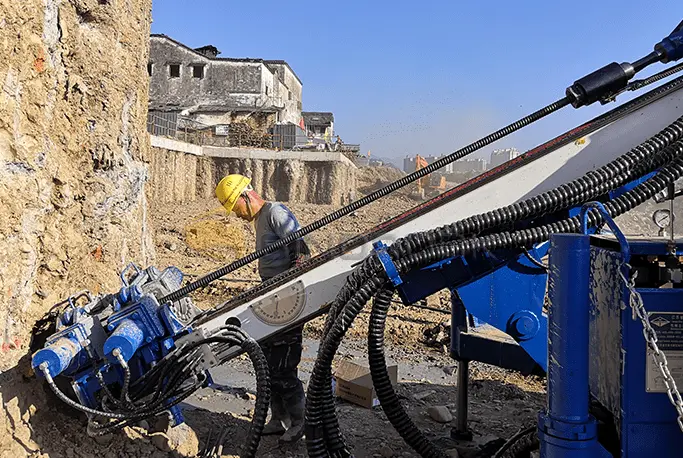
Self-drilling anchors are widely used in tunneling, slope stabilization, excavation support, foundation reinforcement, and mining projects. Their ability to drill, grout, and reinforce unstable ground in one installation process makes them a practical solution for challenging soil and rock conditions.
But an important question often arises on site: Can you reuse self-drilling anchors?
In most cases, the answer is no. Self-drilling anchors are generally designed as permanent or single-installation ground-support components. Once installed and grouted, they should not be removed and reused in another location. Reusing an anchor can introduce safety, quality, and load-capacity risks that are difficult to verify in the field.
What Is a Self-Drilling Anchor?
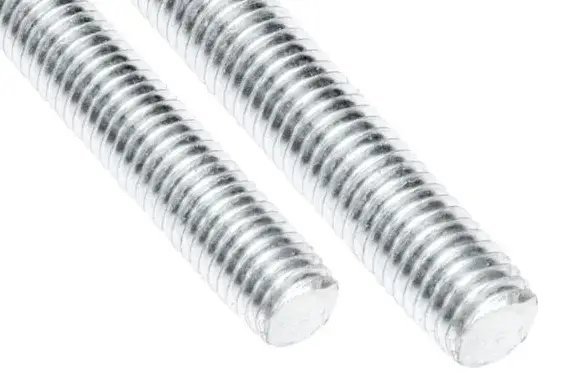
A self-drilling anchor, often called a self-drilling anchor bolt or hollow bar anchor, is a threaded hollow steel bar fitted with a drill bit. During installation, the anchor bar acts as both the drilling rod and the reinforcement element.
Grout or cement slurry is pumped through the hollow center of the bar while drilling or after the required depth is reached. The grout fills surrounding voids, improves contact with the ground, and helps transfer structural loads into the surrounding soil or rock.
A typical system includes:
-
Hollow threaded anchor bar
-
Sacrificial drill bit
-
Coupler
-
Anchor plate and nut
-
Centralizer
-
Grouting equipment
-
Self Drilling Anchor Tools, such as drilling rigs, adapters, grouting pumps, and torque equipment
Why Most Self-Drilling Anchors Should Not Be Reused
The main reason is that a self-drilling anchor is subjected to significant mechanical and environmental stress during drilling and installation. Its drill bit is normally sacrificial, meaning it remains underground after the work is complete.
During installation, the anchor bar may encounter hard rock, boulders, fractured ground, abrasive soil, and high drilling torque. These conditions can cause wear, deformation, thread damage, or changes that may not be visible during a basic inspection.
Once grouted, the anchor becomes integrated with the ground-support system. Removing it can damage the surrounding structure, reduce stability, or leave an unsupported void.
For these reasons, using a previously installed self-drilling anchor in a new project is generally not considered good engineering practice.
Can Unused Self-Drilling Anchor Components Be Reused?
Unused and properly stored components may be used if they remain within the manufacturer’s specifications and project requirements.
For example, uninstalled anchor bars, couplers, nuts, plates, and centralizers may be suitable for future work when they have not been damaged, corroded, contaminated, or incorrectly stored. Before use, project teams should inspect the parts for thread damage, surface corrosion, bends, cracks, and dimensional changes.
However, an anchor bar that has already been drilled into the ground should be treated differently. Its service history and structural condition cannot be fully confirmed without detailed assessment.
What About Temporary Self-Drilling Anchors?
Some projects use temporary ground-support systems during excavation or construction. Even in these cases, reuse should not be assumed.
If a temporary anchor is removed, its suitability for another installation depends on engineering evaluation, the condition of the bar, thread integrity, drill-bit condition, corrosion exposure, and the manufacturer’s requirements. In many practical situations, the cost of inspection and the safety risk make replacement the more reliable option.
Project engineers should always follow approved design documents, local regulations, and the anchor-system supplier’s technical guidance.
How Self Drilling Anchor Tools Affect Installation Quality
Reliable Self Drilling Anchor Tools are essential for achieving the intended performance of an anchor system. The drilling rig must deliver appropriate rotation and feed force, while the grouting equipment must maintain consistent grout flow and pressure.
Poorly matched tools can cause problems such as:
-
Incomplete drilling depth
-
Damaged anchor threads
-
Misalignment of the anchor bar
-
Insufficient grout coverage
-
Reduced bond strength
-
Premature wear of drill bits and couplers
Using compatible drilling adapters, grout pumps, mixing systems, and torque-control equipment helps installers achieve a more consistent result. Correct tool selection can also reduce downtime and material waste on demanding geotechnical projects.
Key Safety Considerations
Self-drilling anchors are often used where ground conditions are unstable. A failed or improperly installed anchor can affect excavation safety, slope stability, tunnel support, or foundation performance.
Before installation, contractors should verify the anchor type, bar diameter, steel grade, drill-bit selection, design depth, grout mix, and load requirements. During installation, drilling parameters and grout consumption should be monitored according to the project’s quality-control plan.
Reusing installed anchors without engineering approval can create an unnecessary risk because their remaining capacity may be unknown.
Best Practice for Contractors and Buyers
For permanent works, specify new self-drilling anchors from a qualified supplier and use compatible Self Drilling Anchor Tools throughout installation. Maintain traceable records for materials, drilling depth, grout volume, and load testing where required.
For temporary works, seek written guidance from the project engineer and anchor manufacturer before considering the reuse of any recovered component. A visual inspection alone is not enough to confirm structural suitability.
Conclusion
Self-drilling anchors are generally not intended for reuse after installation. They are exposed to drilling wear, underground conditions, and grouting processes that can affect their performance. Because these systems are frequently used in safety-critical ground-support applications, replacement with new, compliant components is usually the most dependable approach.
Choosing quality anchor materials, correctly matched Self Drilling Anchor Tools, and disciplined installation procedures helps protect both project performance and site safety.