
Product
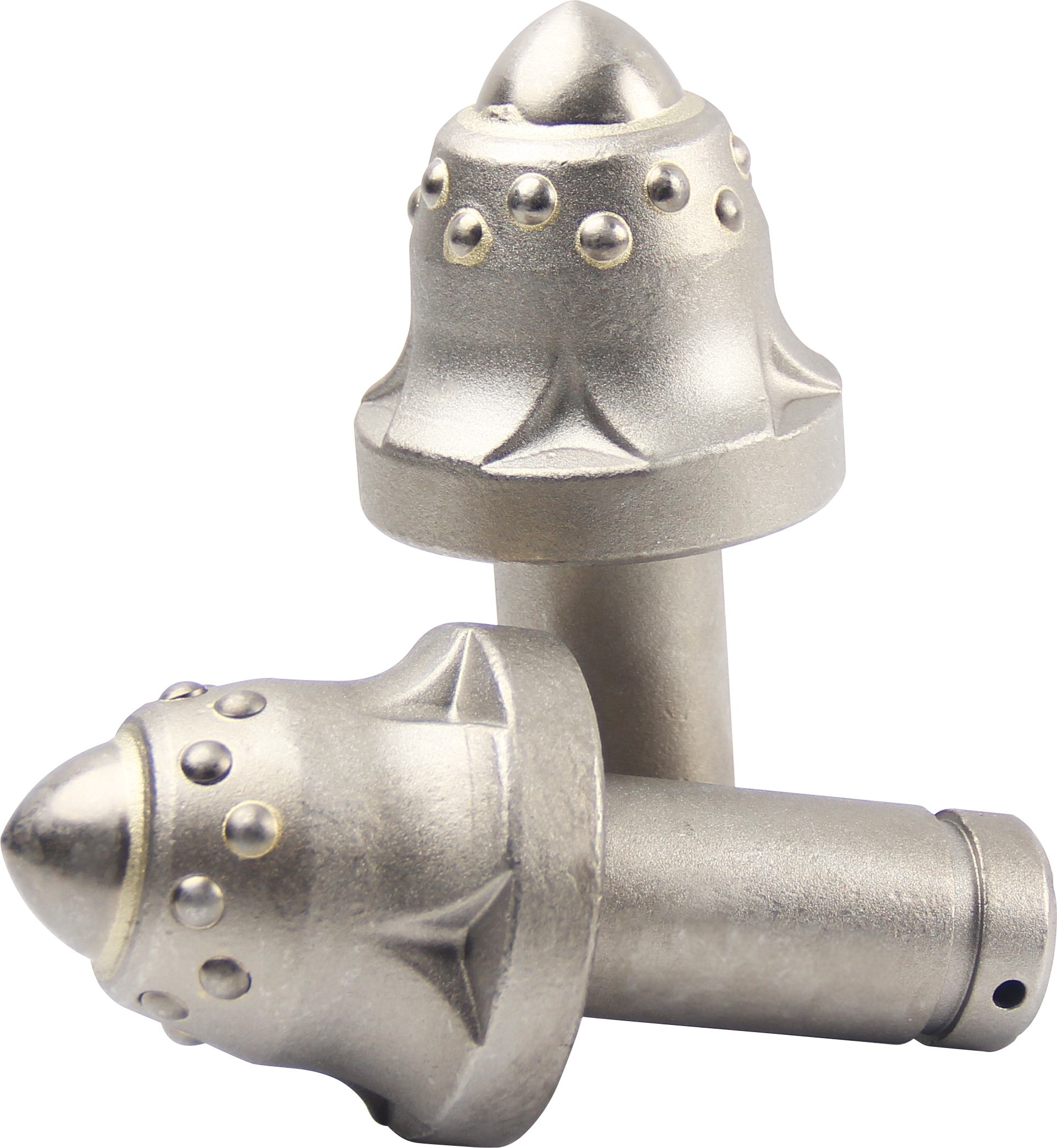
Road header picks
The cutting picks is a tool attached to the rotary cutting wheel, which is used for cutting coal rock whole rock, hard rock and other rock formations. lt has the characteristics of high-speed rotation.high strength, high wear resistance, etc., and can complete the high-eficiency cutting task in a short time.
In the industrial field, cutting teeth are a crucial cutting tool, widely used for cutting coal, rock, and hard rock strata.
I. Definition and Characteristics of Cutting Teeth
Cutting teeth, also known as cutting blades, are tools attached to a rotating cutting wheel for cutting coal, rock, and hard rock strata. They feature high-speed rotation, high strength, and high wear resistance, enabling them to complete high-efficiency cutting tasks in a short time.
II. Functions of Cutting Teeth
1. Improved Cutting Efficiency: The sharp cutting surface of cutting teeth can quickly cut through coal, rock, and hard rock strata, significantly improving cutting efficiency.
2. Reduced Labor Intensity: Using cutting teeth reduces the labor intensity of workers, minimizing the need for frequent manual tool handling and making cutting work easier.
3. Guaranteed Cutting Quality: The precise cutting of cutting teeth ensures the smoothness of the cut surface, thereby improving cutting quality.
III. Maintenance of Cutting Teeth
To extend the service life of cutting teeth and improve work efficiency, regular maintenance is necessary. Here are some suggestions for cutting tool maintenance:
1. Pre-use inspection: Before using the cutting tool, check it for any damage. Replace it immediately if any damage is found.
2. Usage precautions: Avoid excessive force or prolonged continuous use when using the cutting tool to prevent excessive wear or breakage.
3. Regular replacement: Replace the cutting tool regularly according to the instruction manual to ensure cutting efficiency and quality.
4. Maintenance cycle: It is recommended to clean and inspect the cutting tool every shift or week to promptly identify and address potential problems. In short, cutting tools are essential tools in industrial cutting. Proper use and maintenance can extend their service life and improve work efficiency.